
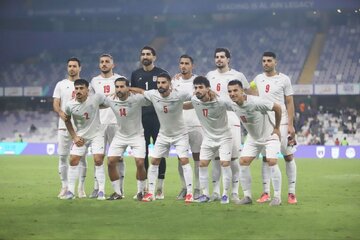
According to Khabaronline, an Iranian news agency, Hannah Tades, spokesperson for the Seattle organizing committee, told Germany’s DPA news agency: “We have no involvement inside the stadium or on the pitch.” With this statement, Seattle officials effectively shifted responsibility for any decisions related to the official framework of the match to FIFA.
The controversy erupted after the Seattle committee used the title “Pride Match” for the Iran–Egypt fixture, describing it as a symbolic gesture of solidarity with the LGBTQ community. The move prompted strong and formal protests from the football federations of both Iran and Egypt, which condemned the decision as inconsistent with their cultural and sporting values.
Tades emphasized that FIFA holds full authority over the hosting and organization of the match and that all operational arrangements are made solely under the federation’s supervision. The local committee, she said, is limited to providing logistical and municipal support.
According to the Seattle organizers, there is no requirement or plan for any “Pride Match” ceremony inside the stadium. Any symbolic activities related to the initiative, if held at all, would take place only outside the official venue.
The clarification is widely seen as a practical retreat by the Seattle committee from linking its controversial cultural campaign to the official Iran–Egypt World Cup fixture—an affair that has become one of the most politically sensitive off-field issues surrounding the tournament in recent days.
Your Comment