

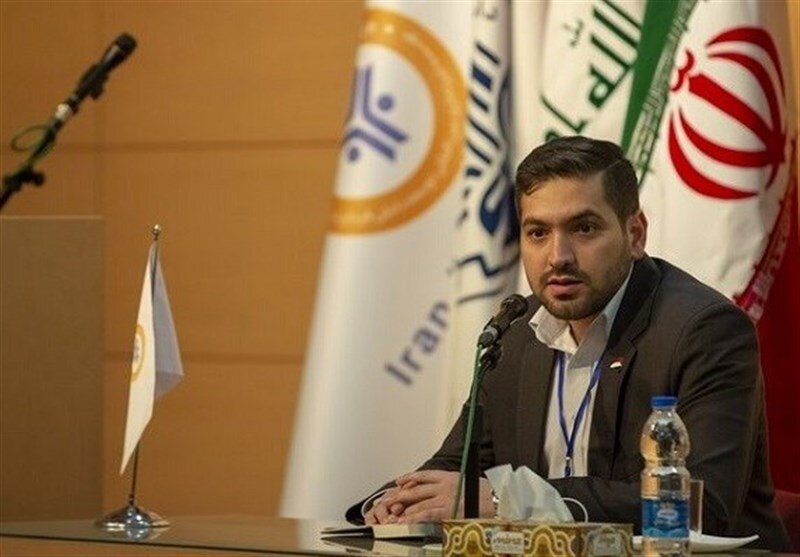
As Iraq heads toward its parliamentary elections, Baghdad’s political scene is caught between hopes for stability and fears of foreign interference. Dr. Mohammad Baqer Hakim, an expert on Iraqi affairs, tells Khabar Online that the country is now in a phase of “relative but fragile stability”—and that the upcoming vote will shape Iraq’s political trajectory.
Relative Stability, Still Fragile
Q: How do you assess Iraq’s current political and security situation?
Hakim: Security threats have decreased, and ISIS remnants are largely contained. Yet Iraq’s stability remains fragile. Political divisions and public distrust—legacies of past protests—still run deep. The country has entered a stage of relative calm, but any political crisis could quickly disrupt it. Compared to the post-2003 chaos, Iraq is in a better place, though far from stable.
Likely Election Winners
Q: Who do you think will dominate in the elections?
Hakim: Voter turnout will likely be lower than previous years, especially after Muqtada al-Sadr’s boycott. That benefits the established and well-organized parties:
Among Shia blocs: Nouri al-Maliki’s State of Law Coalition and Mohammad Shia’ al-Sudani’s Reconstruction and Development Alliance are frontrunners.
Among Sunnis: Mohammad al-Halbousi remains influential, but faces close competition from Khamis al-Khanjar and Muthanna al-Samarrai.
Among Kurds: The Kurdistan Democratic Party (KDP) is expected to lead, followed by the Patriotic Union of Kurdistan (PUK).
In Iraq, however, the true balance of power always emerges after the vote—through post-election coalitions and negotiations.

Sadr’s Boycott: A Political Void, Not Polarization
Q: How will Sadr’s boycott affect Shia politics?
Hakim: Sadr’s absence creates a significant political void, but not a deep polarization. Turnout will fall, yet other Shia groups—Sudani, Maliki, and moderates like Ammar al-Hakim—will fill much of the space. Still, no party can fully replace Sadr’s disciplined grassroots base.
Disarming Resistance Groups Is Impossible Without U.S. Withdrawal
Q: Can the Iraqi government disarm the armed factions?
Hakim: Not while foreign troops remain in the country. The U.S. has no plan for a full withdrawal—it’s simply rebranding its presence from “combat” to “advisory.” Armed resistance groups see themselves as part of Iraq’s deterrence balance. Even if the U.S. left tomorrow, complete disarmament would be unrealistic; weapons have become tools of political influence and part of Iraq’s power architecture.
Israeli and U.S. Threats Are Mostly Psychological
Q: Some analysts warn of Israeli or American interference. Do Iraqis feel that risk?
Hakim: These are mostly psychological operations, not real military threats. Israel knows any strike on Iraq would be costly. The U.S. prefers economic pressure—using control over the dollar, energy, and financial systems—to influence Baghdad and Tehran. There’s no sign of an imminent military disruption.
Iran–Iraq Relations: Deep and Resilient
Q: Could Baghdad become a tool of U.S. pressure against Tehran?
Hakim: Unlikely. Iran–Iraq relations are structurally deep—rooted in geography, religion, and economics. The U.S. can limit trade through sanctions and dollar controls, but Iraq cannot cut ties with Iran. Baghdad’s reality is to constantly balance between Tehran and Washington, not to choose sides.
Iraq’s Airspace Still Under U.S. Control
Q: What does the new Iraq–U.S. security cooperation mean?
Hakim: It’s more about coordination than real sovereignty. The U.S. still controls Iraq’s radar systems, intelligence networks, and air corridors. Baghdad may appear to take the lead, but Washington remains the real decision-maker in Iraqi air operations.
Land Under Baghdad’s Control, Sky Under Washington’s
Q: Does this contradict Iraq’s security agreement with Iran?
Hakim: Not exactly—it’s a dual-track reality.
The Iran–Iraq agreement focuses on securing the land borders and eliminating anti-Iran armed groups in Kurdistan.
The U.S.–Iraq cooperation focuses on airspace, intelligence, and operational oversight.
In short: Iran helps Baghdad secure the ground.
The U.S. keeps influence over the skies.
These two frameworks intersect, not clash. Iraq is trying to maintain both—managing its borders with Iran, while coordinating its air defense with Washington.
Final Insight
Hakim: Iraq is stuck in a permanent balancing act. It must preserve its strategic relationship with Tehran while managing the economic and security leverage of Washington. Whoever wins the elections will face the same reality: Iraq’s future depends on managing, not escaping, this balance.
Your Comment