
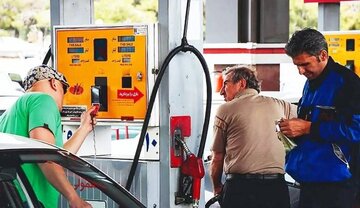
Reyhane Hejazi - In recent days, Persian-language social media has been filled with claims of a “definitive gasoline price hike in Iran” and even the “abolition of fuel smart cards.” However, an examination of official government positions reveals a more complex reality.
Under Iran’s 2025 national budget law, the government obtains legal authority to implement gasoline price reforms from December 6. But this date is not a deadline; the new policy is to begin only after all technical and banking infrastructures are ready.
With the government’s official announcement now issued, the timeline has been set: the price hike for station-issued gasoline will take effect at dawn on Saturday, December 13, and the remaining components of the three-tier pricing scheme will be rolled out in phases according to specialized working groups.
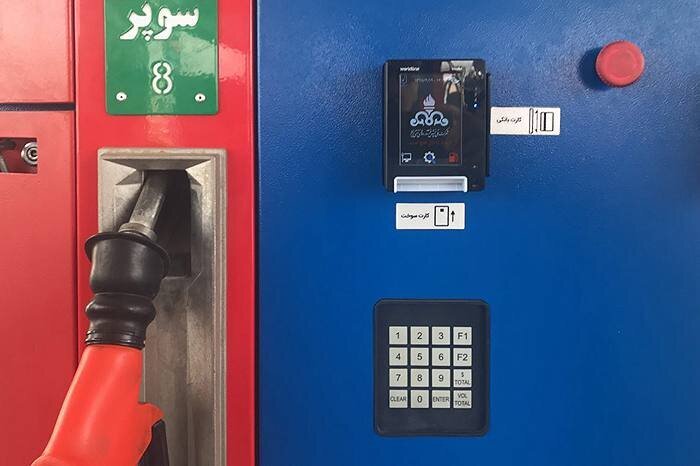
What Does a Three-Tier Gasoline System Mean?
The new policy divides gasoline pricing into three levels:
- A subsidized, quota-based price for basic household consumption
- A free-market price for usage above the household quota
- A third, higher rate for specific categories of vehicles, including government-owned cars, imported and luxury cars, high-consumption vehicles, and brand-new vehicles
Under the current system, every vehicle receives a monthly quota. In the new model, some vehicles will be removed from the quota system entirely and will have to purchase all their fuel at roughly 5,000 tomans per liter—a price that remains extremely low by global standards, despite domestic controversy.
What Is the Fuel Smart Card and Why Does It Matter?
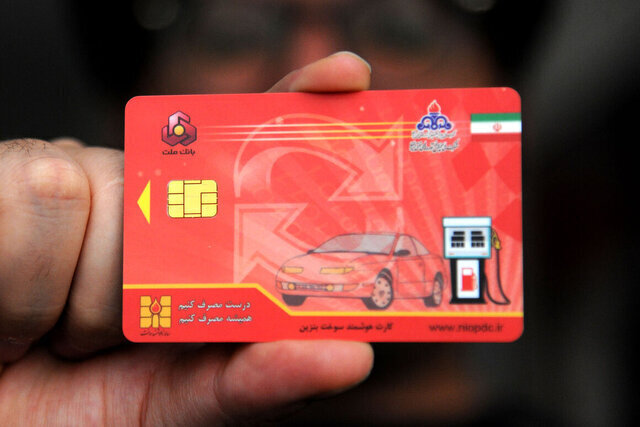
In Iran, each vehicle is assigned a Fuel Smart Card—an electronic identification tool through which subsidized gasoline quotas are distributed.
Under the new policy, the government plans to transfer fuel quotas to the vehicle owner’s bank card. Subsidized gasoline would thus be paid for through personal bank cards rather than physical fuel smart cards. The stated goals are greater consumption transparency and reduced opportunities for misuse or fuel smuggling.
Why Is Iran Forced to Reform Gasoline Prices?
Iran faces a widening gap between gasoline production and consumption:
- Domestic production: 110 million liters/day
- Normal-day consumption: 133 million liters/day
- Holidays: up to 160 million liters/day
- Peak emergency demand: nearly 197 million liters/day
The shortfall is covered only through imports, which strain government foreign-currency reserves.
The Government’s Official Position
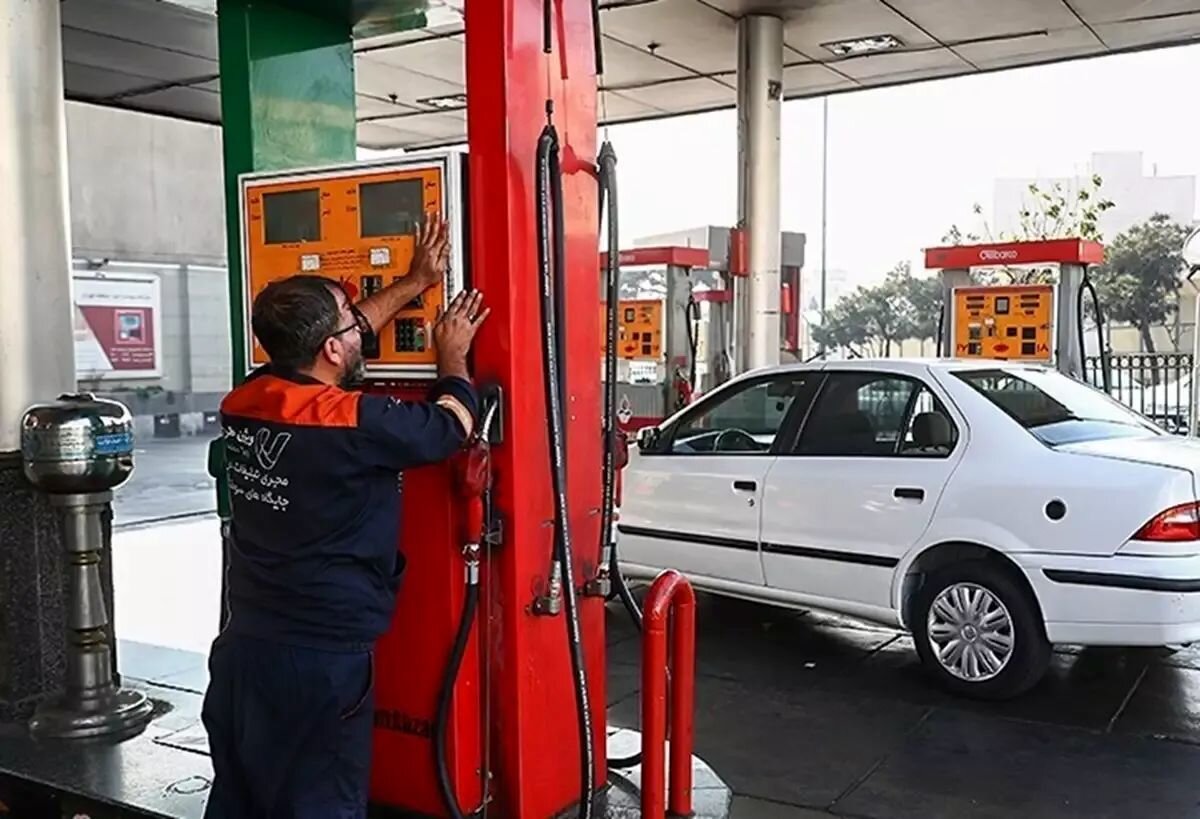
Iran’s government spokesperson has confirmed that the price of gasoline at filling stations will rise starting at dawn on Saturday, December 13.
On Monday, December 8, Fatemeh Mohajerani told reporters: “The task force that began its work on November 22 has agreed to this price adjustment after several meetings.”
According to her, “The price of station-issued gasoline will increase to 5,000 tomans per liter.”
She emphasized that “This change will not directly affect a large majority of citizens. Eighty percent of the population can still meet their fuel needs through existing quotas: 60 liters at 1,500 tomans and 100 liters at 3,000 tomans.”

Iran in Global Comparison
Even with the introduction of the third-tier rate, Iran will remain among the world’s cheapest fuel markets:
- Iran – quota price: approx. USD 0.03
- Iran – third-tier price: approx. USD 0.08
- United States: USD 1–1.2
- European Union: USD 1.6–2
- Turkey: over USD 1.3
- UAE: approx. USD 0.8
- Saudi Arabia: approx. USD 0.6
Why Is a Price Increase So Sensitive in Iran?
Public sensitivity traces back to 2019, when the Rouhani administration implemented a sudden gasoline price hike that triggered widespread social and security repercussions.
Since then, fuel price hikes have no longer been viewed solely as economic measures; they are intertwined with concerns over household financial pressure and deep-rooted distrust of government decisions.
This legacy has made the current administration far more cautious in executing its three-tier pricing plan.
Officials are openly trying to avoid a repeat of the “2019 social shock”—an event still vivid in Iran’s collective memory and looming over all decisions related to fuel and energy subsidies.
In Iran, the problem is not the nominal price but the price-to-income ratio:
- Average monthly wages under USD 200
- Persistent inflation
- Broad dependence of transport, food supply, and service sectors on fuel costs
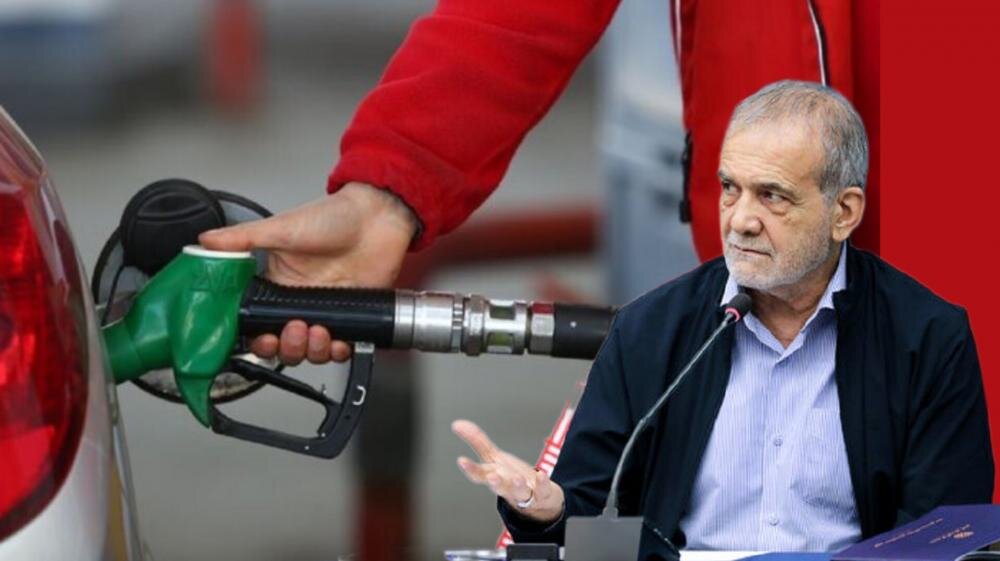
In an economy like this, even a small gasoline price increase can trigger a domino effect of inflation.
During his presidential campaign, Masoud Pezeshkian repeatedly insisted that gasoline prices would not rise, and that his policies would focus on controlling inflation and improving energy management—not shock therapy.
Now, following the announced increase for station-issued gasoline, his opponents argue that the move contradicts his promises. Critics highlight that Pezeshkian becomes the second reformist president to raise fuel prices, making it difficult for him to claim distance from past administrations’ decisions.
Political figures and social media users are circulating Pezeshkian’s explicit campaign statements against price hikes, framing the current move as an “early reversal.”
As of now, gasoline price reform in Iran has officially begun, with a confirmed implementation date of December 13. Iran remains an exceptional case of ultra-subsidized fuel economics—a country where even the notion of a price increase means moving from “extremely cheap” to merely “cheap” by global standards, yet domestically may carry significant consequences.
Your Comment