

Speaking in an interview, Seyed Abbas Araghchi urged Japan—drawing on its historical experience with nuclear incidents—to share its expertise with Iran to help improve the safety of nuclear facilities that were damaged in the recent Israeli and U.S. attacks.
Attack on Iran’s Nuclear Facilities Was the Largest Violation of International Law
In remarks to Japan’s Kyodo News, Araghchi stated that Iran’s nuclear facilities had been “bombed, destroyed, and severely damaged,” calling the strikes “perhaps the largest violation of international law” committed against a nuclear facility operating under the safeguards and supervision of the International Atomic Energy Agency (IAEA).
Fair and Balanced Talks Are a Condition for Negotiations with Washington
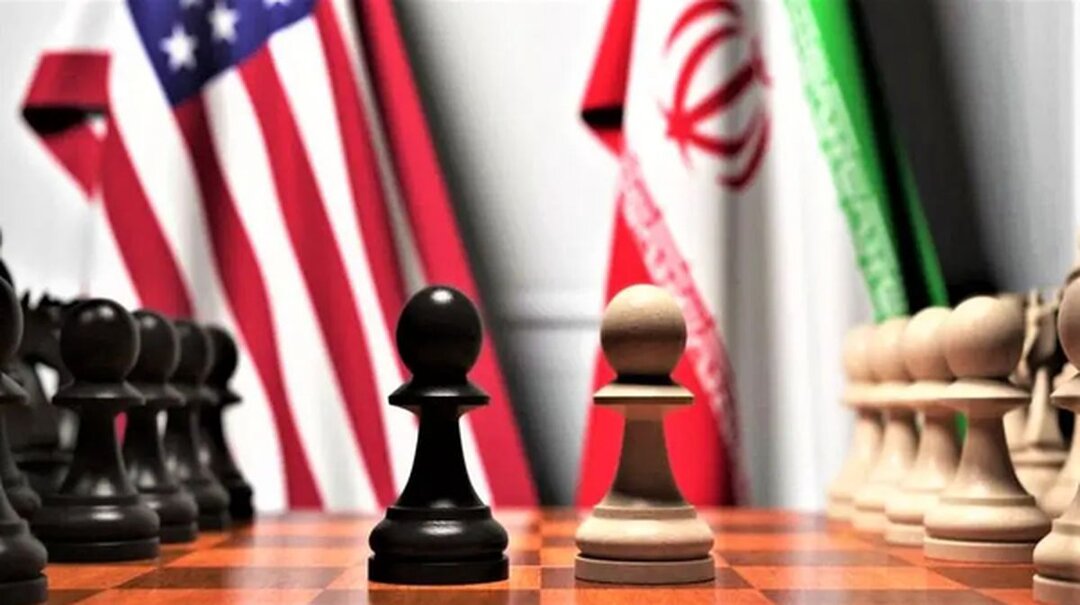
Referring to the stalled nuclear talks between Iran and the United States, Araghchi emphasized that Tehran remains open to diplomacy, but only if the outcome is “fair and balanced.” “This ultimately depends on the United States,” he said.
Highlighting Japan’s experience in dealing with the aftermath of nuclear crises, Araghchi added: “I fully believe that Japan possesses valuable knowledge in improving nuclear safety, and this expertise can be shared with Iran.”
He pointed to Japan’s environmental, medical, and technical responses following the atomic bombings of Hiroshima and Nagasaki in 1945, as well as the Fukushima nuclear disaster in 2011.
Possible Iran–Japan Cooperation on Technical Safety
Araghchi stressed that any potential cooperation between Iran and Japan would be strictly limited to technical safety matters and would not involve inspections, which remain entirely under the authority of the IAEA.
“Japan’s support in the technical aspects of addressing these safety challenges would be extremely beneficial,” he said.
He noted that Iran is currently facing an unprecedented combination of security and safety threats, including structural damage and the risk of radioactive leakage following the June attacks.
Bombing of Peaceful Nuclear Facilities Is Unprecedented
Araghchi stated that there is no precedent for the bombing of a peaceful nuclear facility, arguing that the attacks exposed a serious gap in the IAEA’s procedures for evaluating and inspecting nuclear installations damaged during military conflicts.
He explained that earlier this year Iran and the IAEA reached a cooperative framework during negotiations in Cairo aimed at developing practical mechanisms for inspecting and stabilizing facilities harmed by military action. However, according to Araghchi, this understanding was undermined when the United States and the three European signatories to the JCPOA pursued efforts to reinstate past UN Security Council sanctions.
“We Are Not Convinced the U.S. Is Ready for Serious Talks”
On the future of nuclear negotiations with Washington, Araghchi said Iran remains skeptical due to the U.S. withdrawal from the 2015 nuclear deal and its backing of Israel’s recent attacks on Iranian territory.
“If they change their approach and are ready for fair, two-way negotiations, then we are also prepared,” he said. “But negotiation is different from imposing diktats. For now, we are not convinced that they are ready for a real and serious dialogue.”
Araghchi identified the core dispute as Washington’s refusal to recognize Iran’s right to peaceful nuclear technology, including uranium enrichment, under the Nuclear Non-Proliferation Treaty (NPT)—a treaty to which Japan is a party, while Israel remains outside of it.
He added that Tehran is willing to accept limitations on enrichment levels and the types of centrifuges it uses, noting that talks could advance rapidly if the United States adopted a reciprocal approach, recognized Iran’s peaceful nuclear program, and lifted sanctions.
Your Comment